Learn how to draw Lily with curated video tutorials, step-by-step drawings, and photo references. Use this page to practice the main shapes, petal layering, and shading techniques—from simple sketches to more polished illustrations.
This hub currently includes 12 video tutorials, 25 drawings, and 20 photo references to help you study structure, lighting, and color.

Watch step-by-step lily drawing tutorials that teach the trumpet shape, 6-petal structure, stamen details, and realistic shading for beginners and advanced artists.
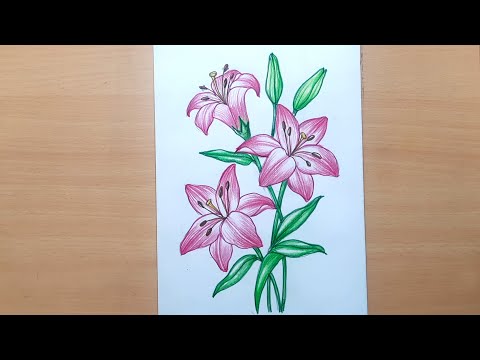
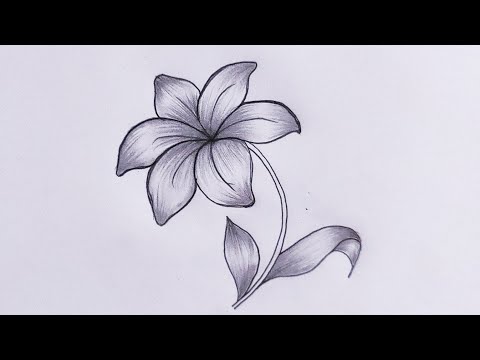
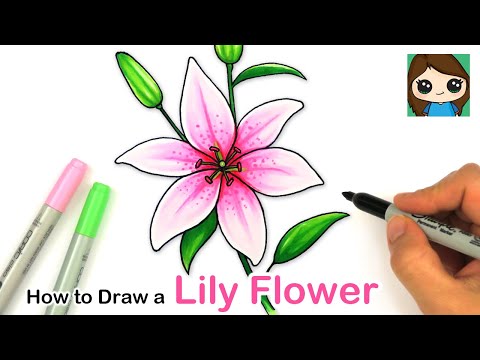
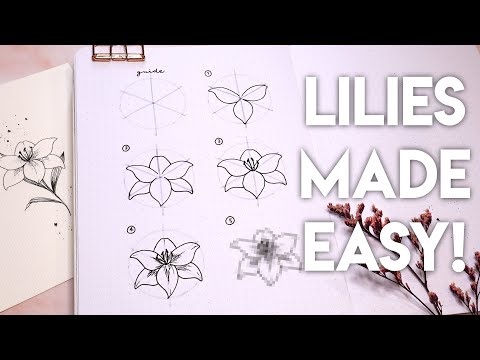
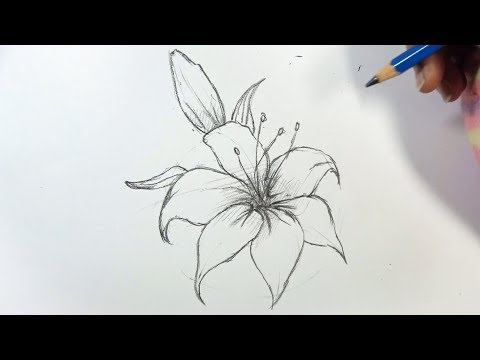
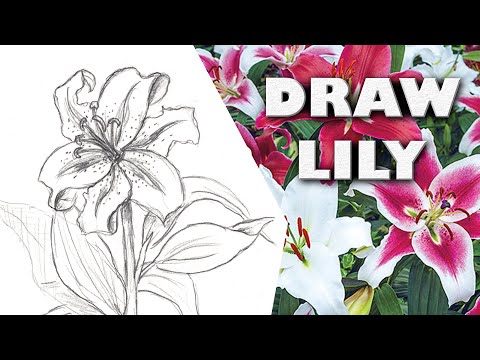
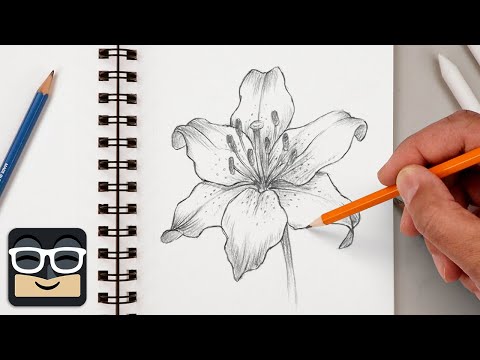
Explore lily drawings and step-by-step breakdowns to practice clean outlines, petal overlaps, center details, and simple-to-realistic coloring techniques.
Use high-quality lily photo references to study petal curl, throat shadows, proportions, and color patterns so your lily drawings look more accurate.


Use this quick guide as a checklist while you follow tutorials or study the drawings above. For a clean lily flower drawing, focus on the trumpet-like big shape, clear petal overlaps, and simple light-to-shadow value groups before adding veins and speckles.
Block in the bloom as a simple cup, then place 6 petals with an overlap plan (which petal sits in front). Refine petal edges, add the pistil and stamens, and shade the throat darker than the outer petals. Finish with light veins and a few crisp accents.
Choose a front-facing lily with clearly separated petals. Skip tiny textures at first and use a clean outline + three values (light, mid, dark). A simple lily sketch becomes convincing as soon as the trumpet shape and stamens are readable.


Treat each petal like a gently folded plane: keep a soft gradient from light to shadow, and place the darkest values where petals tuck under others. Add a thin highlight or lighter edge on the lit side to show the curl.
Add them after the big petal shapes are correct. The stamens help scale and depth, but they’re easiest to place once the flower center and throat opening are established.
HB/2B pencil for construction, a kneaded eraser for lifting highlights, and a fine liner if you want crisp line art. For color, colored pencils or watercolor washes work well; digitally, use a soft round brush for shading and a smaller brush for veins.
Clean up overlaps, sharpen only the focal edges near the center, and keep outer edges slightly softer. Add a simple cast shadow or a light background wash so the pale petals don’t blend into the page.