Learn how to draw Lotus with curated video tutorials, step-by-step drawings, and photo references. Use this page to practice the main shapes, petal layering, and shading techniques—from simple sketches to more polished illustrations.
This hub currently includes 9 video tutorials, 25 drawings, and 20 photo references to help you study structure, lighting, and color.

Watch step-by-step lotus drawing tutorials that focus on symmetry, layered petals, seed pod details, and soft shading to create a realistic lotus flower.
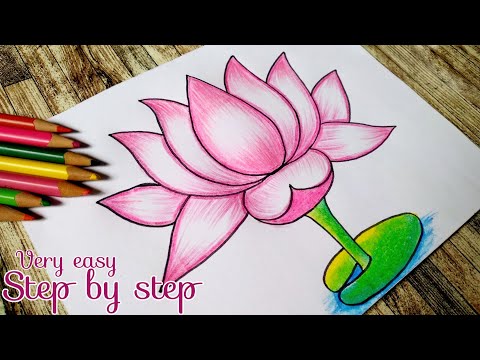
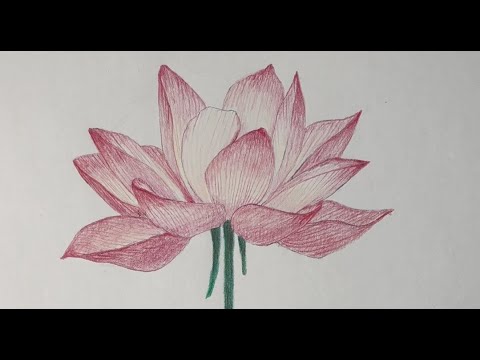
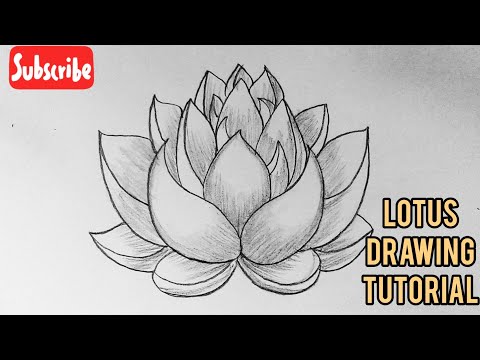
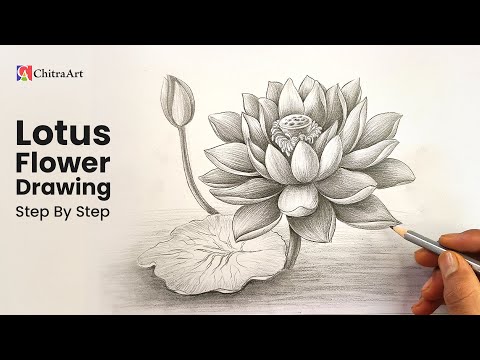

Explore lotus drawings and step-by-step guides to practice petal layering, perspective, clean line work, and light-to-shadow value grouping.
Use high-quality lotus photo references to study real petal layers, lighting, color gradients, and water context so your lotus drawings feel natural and believable.


Use this quick guide as a checklist while you follow tutorials or study the drawings above. For a strong lotus flower drawing, prioritize symmetry, layered petal structure, and clean value separation before adding fine veins or water details.
Start with a center oval, sketch the inner bud petals, then add outer petals in rings with clear overlaps. Refine shapes into pointed teardrops, keep left-right symmetry, and shade the gaps between petals darker than the petal tops.
Draw a simple lotus with 8–12 petals instead of many layers. Use a clean silhouette, repeat a petal template, and focus on overlap order. A simplified lotus drawing still looks authentic if symmetry and layering are correct.


Use a centerline and lightly mark equal angles around the center (like a clock). Mirror petal widths on both sides, and regularly check negative spaces (the gaps) to spot unevenness early.
Pick one light direction and group shadows. Place the darkest accents deep between petals and right under overlaps, then use soft gradients on each petal plane. Keep highlights clean on the upper petals to emphasize form.
Yes—lotus petals tend to be more upright and layered like a crown, often rising above the water, while water lilies sit flatter on the surface. Choose references that match the flower you want so the silhouette and petal angles stay accurate.
Clarify overlaps, tighten the center focal area, and add a subtle background: a light water gradient, a few ripples, or a lily pad shape. Keep details minimal outside the focal point so the lotus remains the main subject.